How Olympic Ski Jumping Works: Rules, Scoring, & Event Guide
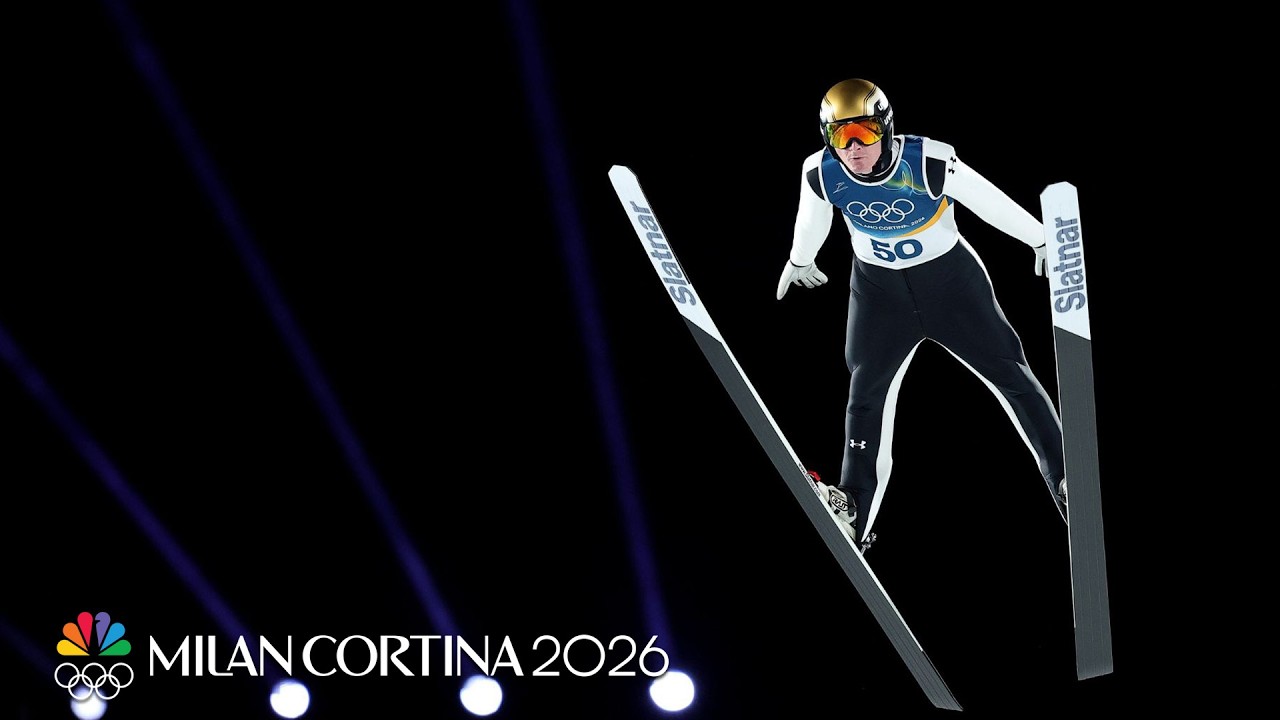
It’s a magnificent sight – part bird, part plane, yet entirely human.
Ski jumping, one of the most iconic and breathtaking events at the Winter Olympics, captivates audiences with its blend of raw power, pinpoint precision, and aerial artistry. Far more complex than simply launching off a ramp, this high-flying sport demands years of dedication to master its intricate techniques, strict rules, and nuanced scoring system. As the 2026 Winter Olympics in Predazzo, Italy, gear up to host new and exciting events, understanding the mechanics behind an Olympic ski jump will undoubtedly enhance your appreciation for these incredible athletes.
The Aerial Ballet: Deconstructing the Ski Jump
Every successful Olympic ski jump is a carefully orchestrated sequence of four critical phases: the in-run, the takeoff, the flight, and the landing. Each phase presents unique challenges and demands specific technical execution.
*
The In-Run: Speed and Precision
The journey begins as the ski jumper crouches into an aerodynamic tuck, gliding down a steep, icy track known as the in-run. Here, the goal is to generate maximum speed while maintaining perfect balance and a streamlined posture to minimize air resistance. Athletes can reach speeds exceeding 90 km/h (55 mph) before hitting the lip of the jump. The slightest shift in weight or deviation from the ideal tuck can compromise the entire jump.
*
The Takeoff: The Moment of Truth
This is arguably the most critical juncture of the jump. As the jumper reaches the end of the in-run, they explode upwards from the takeoff table, converting their horizontal speed into vertical lift and forward momentum. The timing of this explosive extension, combined with the angle of their body and skis, dictates the trajectory and potential distance of the jump. It’s a powerful, split-second movement that requires incredible leg strength and reactive power.
*
The Flight: Soaring with Aerodynamics
Once airborne, ski jumpers adopt the distinctive "V-style," where skis are spread in a V-shape, and the body leans forward over the skis. This aerodynamic position, pioneered in the late 1980s, significantly increases lift and reduces drag, allowing athletes to glide further through the air. During flight, jumpers must maintain absolute stillness and control, constantly adjusting their body position to catch air currents and optimize their trajectory. It's a delicate balance of aerodynamics and subtle body movements.
*
The Landing: The Telemark and a Perfect Finish
The jump concludes with the landing, a crucial element for both distance and style points. Ski jumpers aim for the "Telemark" landing, where one foot is placed slightly ahead of the other, with knees bent and arms extended for balance. This elegant and controlled landing demonstrates balance, flexibility, and a clean finish to the jump. Falling or touching down with both feet parallel results in significant point deductions.
Decoding the Scoreboard: Distance and Style in Ski Jumping
Unlike many speed-based sports,
ski jumping is judged on a combination of objective distance measurement and subjective style evaluation, alongside adjustments for external conditions. The highest combined score wins.
*
Distance Points: The Core of the Jump
Distance is measured from the edge of the takeoff table to where the jumper’s feet first touch the snow. The hill itself has a designated "K-point" (Konstruktionspunkt or critical point) and a "Hill Size" (HS). Reaching the K-point earns a base number of points. For every meter beyond the K-point, additional points are awarded, while falling short results in deductions. The exact point value per meter varies depending on the hill size – smaller hills have higher point values per meter due to the shorter distances involved.
*
Style Points: The Artistry of Flight
Five judges score the athlete's technique and form throughout the entire jump, from takeoff to landing. Each judge awards up to 20 points based on criteria such as:
*
Takeoff execution: Smoothness and power.
*
Flight position: Stability, symmetry, and effective V-style.
*
Body control: Lack of wobbles or excessive movements.
*
Landing: Flawless Telemark, balance, and controlled exit.
The highest and lowest scores from the five judges are discarded, and the remaining three scores are summed, giving a maximum of 60 points for style.
*
Compensation Factors: Leveling the Playing Field
To ensure fairness, especially with changing weather conditions, two key compensation factors are applied:
*
Wind Factor: Headwinds can provide lift, allowing jumpers to fly further, while tailwinds can push them down. Sophisticated systems measure wind speed and direction, applying point adjustments to compensate for favorable or unfavorable wind conditions.
*
Gate Factor: Organizers can adjust the starting gate position (higher or lower) to manage jump distances based on conditions. If a jumper starts from a lower gate (meaning less speed), they receive compensatory points, and vice-versa.
The final score for each jump is the sum of distance points, style points, and any compensation points for wind and gate. In most events, athletes complete two jumps, with their combined scores determining their ranking.
Olympic Ski Jumping Events: A Comprehensive Guide
Ski jumping has been a cornerstone of the Winter Olympics since its inception, continually evolving its event program to reflect the sport's growth and increasing inclusivity. The inaugural 1924 Chamonix Winter Olympics featured only the men's large hill individual event. Over the decades, new disciplines have been added, making the sport more dynamic.
*
Normal Hill Individual (Men & Women)
Introduced for men in 1964 and for women in 2014 (Sochi), this event sees athletes launching off a smaller hill, typically with a K-point around 90-99 meters. Each athlete performs two jumps, with their combined scores determining the winner.
*
Large Hill Individual (Men & Women)
The original Olympic
ski jumping event, the men's large hill, features a larger ramp with a K-point of 120-130 meters, allowing for significantly longer distances. For the first time, an
Individual Women's Large Hill event will debut at the 2026 Milano Cortina Games, marking a significant milestone for women's ski jumping. Like the normal hill, athletes get two jumps.
*
Mixed Team
First contested at the 2022 Beijing Winter Olympics, the mixed team event showcases incredible teamwork and gender equality. Each team consists of two men and two women, who each complete two jumps. Their individual scores are combined for a team total, emphasizing collective performance.
*
Men's Super Team (Debut in 2026)
Set to debut at the 2026 Winter Olympics, the Men's Super Team event replaces the traditional Men's Team event (contested from 1988-2022). This exciting new format features teams of two athletes, each performing three jumps. The "super" aspect implies a more dynamic, potentially faster-paced competition designed to increase excitement. The combined scores of both athletes across all three jumps determine the winning team.
As the 2026 Milano Cortina Games approach, the introduction of these new formats adds an exciting dimension, particularly for nations eyeing new medal opportunities. For a deeper dive into these thrilling new additions and what they mean for the competition, explore our article on
Winter Olympics Ski Jumping: New Events & Medal Hopes. Speaking of medal aspirations, the U.S. has a long-standing history in the sport, albeit with a singular medal in 1924. Can American athletes like Kevin Bickner finally break the long drought? Our piece
Can Team USA End 102-Year Ski Jumping Medal Drought in 2026? delves into their prospects.
The Heart of a Jumper: Training, Aerodynamics, and Mental Fortitude
Becoming an Olympic
ski jumper requires far more than just courage. It's a relentless pursuit of physical perfection, aerodynamic efficiency, and mental resilience. Athletes undergo grueling training regimes that build explosive leg strength for takeoff, core stability for in-run and flight, and exceptional body awareness for mid-air adjustments and precise landings. Wind tunnels and specialized training facilities help fine-tune their aerodynamic positions.
Equipment also plays a crucial role. Skis are longer and wider than traditional alpine skis, designed to maximize lift. Custom-fit suits are made of specific materials and are tightly regulated by the FIS (International Ski and Snowboard Federation) to ensure no unfair aerodynamic advantages.
Beyond the physical, the mental game is paramount. Standing at the top of a massive ramp, knowing the immense speed and forces they are about to endure, requires incredible focus and a steely resolve. Athletes must manage fear, maintain concentration, and execute their technique flawlessly under immense pressure. Stars like Slovenia's Nika Prevc, a multi-world champion and record-holder, or Austria's Daniel Tschofenig, a Crystal Globe winner, exemplify the dedication and mental toughness required to reach the pinnacle of this demanding sport. Their ability to consistently perform at the highest level showcases the sheer will and precision that define Olympic
ski jumping.
Conclusion
Olympic
ski jumping is a captivating spectacle that blends athletic power with aerodynamic grace. It is a sport where fractions of a second and millimeters of movement can determine success, and where raw distance is beautifully complemented by the artistry of style. From the explosive takeoff to the elegant Telemark landing, every element is meticulously honed by athletes who defy gravity with remarkable precision and courage. As we look forward to the 2026 Winter Olympics, understanding the intricate rules, scoring systems, and diverse events will undoubtedly deepen your appreciation for the awe-inspiring feats performed by these incredible ski jumpers. So next time you see a jumper soar, remember the complex science and unwavering dedication behind that breathtaking flight.